
NuvaRing Side Effects: What You Need to Know
The NuvaRing is a popular contraceptive ring used for birth control. It's a flexible ring inserted into the vagina, releasing hormones to prevent pregnancy. While effective, many women are concerned about potential nuvaring side effects.

nuvaring side effects
Key Takeaways
- Understanding NuvaRing and its purpose in birth control.
- Common side effects associated with NuvaRing use.
- Serious health risks linked to the contraceptive ring.
- Factors to consider before using NuvaRing.
- Alternatives to NuvaRing for birth control.
Understanding NuvaRing: A Brief Overview
NuvaRing is a popular form of hormonal contraceptive that has gained widespread acceptance for its ease of use and effectiveness in preventing pregnancy. It is a vaginal ring that is inserted into the vagina for a period of three weeks, after which it is removed for one week to allow for menstruation.
How NuvaRing Works
NuvaRing works by releasing a combination of estrogen and progestin hormones, which are absorbed by the body to prevent ovulation. This mechanism ensures that pregnancy is prevented by stopping the release of an egg from the ovaries. The hormones also thicken cervical mucus, making it harder for sperm to reach the egg.

NuvaRing Hormonal Contraceptive
NuvaRing is highly effective as a form of birth control when used correctly. Studies have shown that with perfect use, NuvaRing has a failure rate of less than 1%. However, with typical use, the failure rate is around 7-9%. This makes it a reliable option for those seeking to prevent pregnancy.
| Birth Control Method | Perfect Use Failure Rate | Typical Use Failure Rate |
| NuvaRing | <1% | 7-9% |
| Oral Contraceptives | <1% | 7-9% |
| IUDs | <1% | <1% |
Common NuvaRing Side Effects
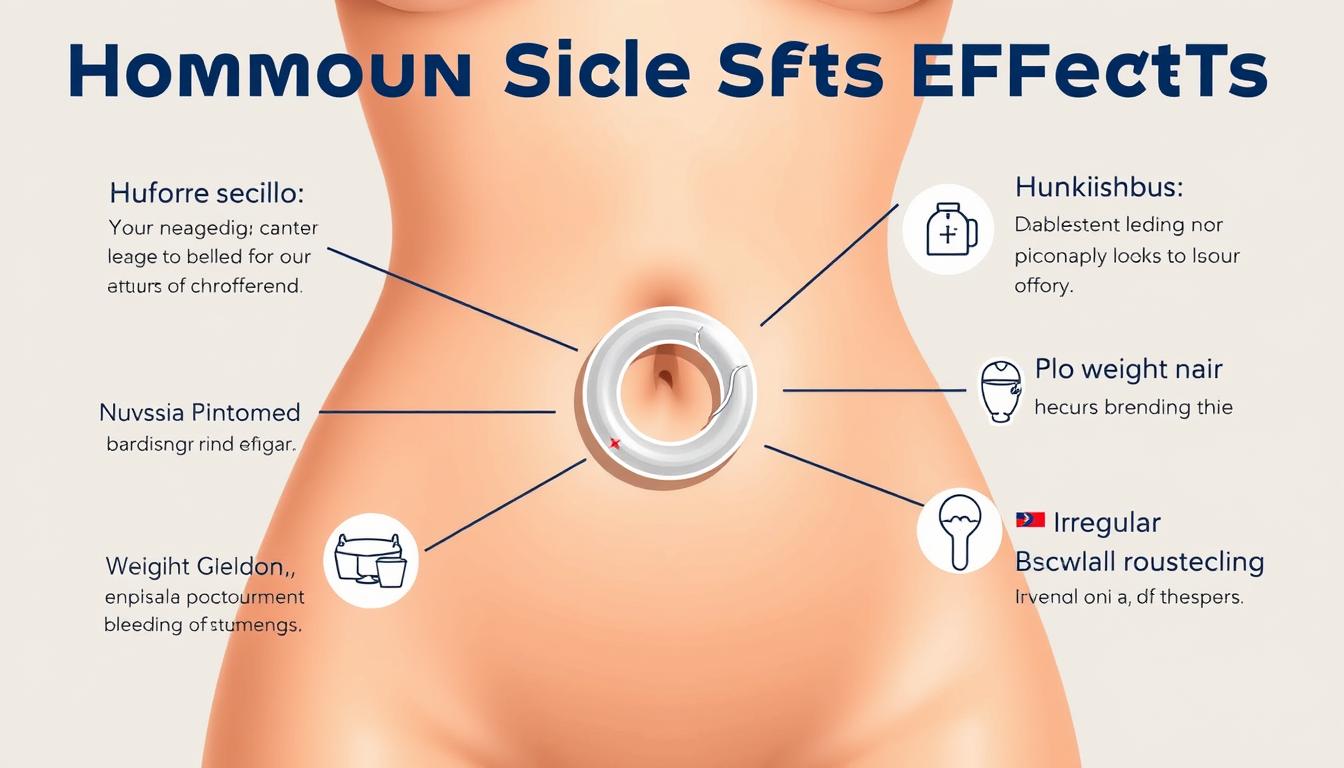
Understanding the potential side effects of NuvaRing is crucial for users to make informed decisions about their reproductive health. NuvaRing, like any other contraceptive method, can cause a range of side effects in some women. These side effects can be broadly categorized into hormonal, physical, and emotional.
Hormonal Side Effects
Hormonal side effects are common with NuvaRing due to its hormonal composition. Some users may experience:
- Changes in menstrual cycle
- Spotting or breakthrough bleeding
- Mood swings
These effects are usually a result of the body adjusting to the hormones released by NuvaRing.
Physical Side Effects
Physical side effects can vary in severity and impact different users in different ways. Common physical side effects include:
- Headaches and migraines
- Nausea and vomiting
- Weight gain or breast tenderness
NuvaRing side effects
Emotional side effects can be significant and may affect a user's quality of life. These can include:
- Depression or anxiety
- Mood changes
- Irritability
It's essential for users to monitor their emotional well-being and consult their healthcare provider if they experience any severe emotional side effects.
Serious Side Effects and Warning Signs
While NuvaRing is an effective birth control method, it's crucial to be aware of its potential serious side effects. As with any hormonal contraceptive, there are risks associated with its use that can have significant health implications.
Blood Clot Risks
One of the most serious risks associated with NuvaRing is the formation of blood clots. Women using NuvaRing are at a higher risk of developing blood clots, especially in the legs (deep vein thrombosis) or lungs (pulmonary embolism). Symptoms to watch out for include leg pain or swelling, chest pain, and shortness of breath.
Cardiovascular Concerns
NuvaRing users may also face increased risks related to cardiovascular health. This includes a higher risk of heart attack and stroke, particularly in women who smoke or have other cardiovascular risk factors. It's essential to discuss your cardiovascular health with your healthcare provider before starting NuvaRing.
When to Seek Emergency Care
If you experience any severe symptoms, it's crucial to seek medical attention immediately. Warning signs that require emergency care include severe chest pain, sudden severe headache, or leg pain/swelling.
"If you're experiencing symptoms that seem life-threatening, don't hesitate to seek help."
Always err on the side of caution when it comes to your health.
Who Should Avoid Using NuvaRing
Understanding who should avoid NuvaRing is crucial for safe and effective birth control. NuvaRing, a vaginal ring that releases hormones to prevent pregnancy, is not suitable for everyone, particularly those with certain medical conditions or risk factors.
Medical Contraindications
Certain medical conditions make NuvaRing unsuitable. These include a history of blood clots, heart attack, or stroke, as NuvaRing can increase the risk of these conditions. Women with liver disease or certain types of migraines should also avoid NuvaRing. Additionally, individuals with unexplained vaginal bleeding or those who are pregnant should not use NuvaRing.
Risk Factors to Consider
Even if you don't have a contraindicated medical condition, certain risk factors may make NuvaRing a less suitable choice. For example, being over 35 and smoking significantly increases the risk of cardiovascular side effects. Obesity and a family history of blood clots are also risk factors to consider.
| Condition/Risk Factor | NuvaRing Suitability |
| History of Blood Clots | Not Recommended |
| Liver Disease | Avoid |
| Smoking Over 35 | Not Advised |
| Obesity | Use with Caution |
It's essential to discuss your medical history and any risk factors with your healthcare provider to determine if NuvaRing is the right choice for you.
Managing NuvaRing Side Effects
Managing NuvaRing side effects effectively involves a combination of lifestyle changes and medical remedies. By adopting the right strategies, users can minimize discomfort and maximize the benefits of this birth control method.
Lifestyle Adjustments
Making certain lifestyle adjustments can help alleviate NuvaRing side effects. Staying hydrated and maintaining a balanced diet are crucial. Regular exercise can also help mitigate some side effects, such as mood swings and bloating.
Over-the-Counter Remedies
For some side effects, over-the-counter (OTC) remedies can provide relief. For instance, pain relievers can help with headaches or cramps. It's essential to consult with a healthcare provider before taking any medication, even if it's available OTC.
When Side Effects Typically Subside
Most NuvaRing side effects subside within a few months of use. Understanding this timeline can help users cope with initial discomfort. The table below summarizes when different side effects typically diminish.
| Side Effect | Typical Time to Subside |
| Nausea | 1-2 months |
| Bloating | 2-3 months |
| Mood Swings | 1-3 months |
By combining lifestyle adjustments, OTC remedies, and understanding when side effects typically subside, users can better manage their NuvaRing experience.
NuvaRing and Your Menstrual Cycle
NuvaRing is known for its effectiveness as a birth control method, but it can also influence your menstrual cycle. Many women experience changes in their menstrual bleeding patterns after starting to use NuvaRing. Understanding these changes can help you better manage your cycle and overall reproductive health.
Changes in Bleeding Patterns
One of the common side effects of NuvaRing is a change in bleeding patterns. Some women may experience irregular bleeding, spotting, or a decrease in menstrual flow. In some cases, users may also notice an increase in bleeding or prolonged menstrual periods. These changes are usually due to the hormonal adjustments caused by NuvaRing.
| Bleeding Pattern Changes | Possible Causes | Management Tips |
| Irregular Bleeding | Hormonal adjustments | Monitor your cycle, consult your doctor |
| Spotting | NuvaRing's hormonal effects | Keep a bleeding diary, consider lifestyle adjustments |
| Decrease in Menstrual Flow | Reduced hormonal fluctuations | Maintain a healthy lifestyle, stay hydrated |
Managing Irregular Bleeding
Managing irregular bleeding caused by NuvaRing involves a combination of lifestyle adjustments and, in some cases, medical consultation. Keeping a bleeding diary can help track patterns and identify any correlations with NuvaRing use. If irregular bleeding persists, it's essential to consult your healthcare provider for personalized advice.
Discussing NuvaRing Side Effects with Your Doctor
When considering NuvaRing as a birth control option, it's crucial to have an open discussion with your doctor about potential side effects. Your healthcare provider can offer valuable insights and help you understand what to expect.
Questions to Ask Before Starting
Before starting NuvaRing, it's a good idea to ask your doctor several questions to ensure you're making an informed decision. Some key questions to consider include:
- What are the most common side effects associated with NuvaRing?
- How might NuvaRing interact with other medications I'm taking?
- What are the signs of serious side effects that I should watch out for?
Asking these questions can help you better understand the potential risks and benefits of NuvaRing.
Creating a Monitoring Plan
Once you've started using NuvaRing, creating a monitoring plan with your doctor can help you manage any side effects effectively. This plan might include:
| Monitoring Aspect | Description | Frequency |
| Bleeding Patterns | Track any changes in menstrual bleeding | Monthly |
| Physical Symptoms | Monitor for symptoms like headaches or mood changes | Weekly |
| Overall Health | Report any changes in overall health or well-being | As needed |
By working closely with your healthcare provider and following a monitoring plan, you can minimize potential side effects and ensure a safe experience with NuvaRing.
Interactions with Medications and Supplements
To ensure NuvaRing works as intended, understanding its interactions with other medications and supplements is vital. NuvaRing's effectiveness can be influenced by various factors, including other drugs and supplements you're taking.
Drugs That May Reduce Effectiveness
Certain medications can reduce the effectiveness of NuvaRing. These include antibiotics like rifampicin and rifabutin, antifungals such as griseofulvin, and anticonvulsants including phenobarbital, phenytoin, and carbamazepine. Additionally, antiretroviral drugs for HIV and some herbal supplements like St. John's Wort can also interfere with NuvaRing's efficacy.
It's crucial to inform your healthcare provider about all the medications you're currently taking to assess any potential risks.
Supplements to Avoid
Some supplements can interact with NuvaRing, potentially reducing its effectiveness or increasing the risk of side effects. St. John's Wort, a popular herbal supplement used for depression, is known to decrease the effectiveness of hormonal contraceptives like NuvaRing. Other supplements may also interact, so it's essential to consult with your healthcare provider before taking any supplement while using NuvaRing.
By being aware of these potential interactions, you can take steps to ensure NuvaRing remains effective for you.
Real User Experiences with NuvaRing Side Effects
Real user reviews offer a candid look at the potential side effects of NuvaRing. Many women have turned to online forums and reviews to share their experiences, providing a wealth of information for those considering this form of birth control.
Common User Reports
Some common side effects reported by NuvaRing users include changes in menstrual bleeding patterns, mood swings, and breast tenderness. For instance, a user on a health forum mentioned, "I experienced heavier periods and mood swings, but they subsided after a few months." These reports highlight the variability in how women respond to NuvaRing.
According to various NuvaRing reviews, some users have also reported headaches and nausea, although these side effects are not universal. It's essential to note that individual experiences can vary widely.
Positive Experiences Despite Side Effects
Despite potential side effects, many users have reported positive experiences with NuvaRing. Some have praised its convenience and effectiveness as a form of birth control. As one user noted, "The ring was easy to use, and I appreciated not having to remember to take a pill every day." This convenience is a significant advantage for many users.
"I was surprised by how well I tolerated NuvaRing. Yes, I had some spotting, but it was worth it for the ease of use and the fact that it worked well as birth control."
These positive experiences underscore the importance of weighing the benefits against the potential side effects when considering NuvaRing. By understanding the range of user experiences, women can make more informed decisions about their birth control options.
Comparing NuvaRing Side Effects to Other Birth Control Methods
When considering birth control options, understanding the side effects of NuvaRing in comparison to other methods is crucial. This comparison can help individuals make informed decisions about their reproductive health.
Versus Oral Contraceptives
NuvaRing and oral contraceptives both release hormones to prevent pregnancy, but they differ in their delivery method. While oral contraceptives are taken daily, NuvaRing is inserted vaginally and left in place for three weeks. Side effects can be similar, including hormonal changes, but some users find that NuvaRing results in fewer gastrointestinal issues compared to oral contraceptives.
Versus IUDs and Implants
IUDs (Intrauterine Devices) and implants are long-acting reversible contraceptives that have different side effect profiles compared to NuvaRing. IUDs can cause cramping and changes in menstrual bleeding, while implants may lead to irregular bleeding. NuvaRing users may experience more hormonal side effects, such as mood swings or breast tenderness, due to its hormonal release mechanism.
Versus Barrier Methods
Barrier methods, such as condoms and diaphragms, work by physically preventing sperm from reaching the egg. Unlike NuvaRing, they do not release hormones and therefore do not cause hormonal side effects. However, they can cause irritation or allergic reactions in some users and have a higher failure rate compared to NuvaRing.
By comparing these birth control methods, individuals can better understand the potential side effects and choose the method that best suits their needs.
Alternatives If NuvaRing Isn't Right for You
There are several birth control alternatives to NuvaRing, catering to different preferences and health requirements. If NuvaRing isn't the right fit for you, it's essential to explore other options that can provide effective contraception with minimal side effects.
Hormonal Alternatives
Hormonal alternatives to NuvaRing include other forms of birth control that contain estrogen and progesterone, or progesterone alone. These can come in various forms such as:
- Oral Contraceptives: Pills that are taken daily to prevent pregnancy.
- Birth Control Patch: A transdermal patch that releases hormones through the skin.
- Hormonal IUD: An intrauterine device that releases hormones locally within the uterus.
Each of these options has its benefits and potential side effects. For instance, oral contraceptives can help regulate menstrual cycles, while the birth control patch offers the convenience of weekly application rather than daily.
| Method | Description | Key Benefits |
| Oral Contraceptives | Daily pills containing hormones | Regulates menstrual cycle, reduces acne |
| Birth Control Patch | Weekly transdermal patch | Easy to use, less frequent application |
| Hormonal IUD | Intrauterine device releasing hormones | Long-term solution, reduces menstrual bleeding |
Non-Hormonal Options
For those who cannot or prefer not to use hormonal birth control, there are non-hormonal alternatives available. These include:
- Copper IUD: A non-hormonal intrauterine device that works by causing a chemical reaction that is toxic to sperm.
- Barrier Methods: Condoms and diaphragms that physically prevent sperm from reaching the egg.
- Fertility Awareness Methods: Techniques that involve tracking menstrual cycles to predict fertile days.
As Dr. Jane Smith, a gynecologist, notes, "Non-hormonal methods are a great option for women who are sensitive to hormones or prefer a more natural approach to birth control."
Conclusion
Understanding the potential side effects of NuvaRing is crucial for making informed decisions about your birth control choices. As discussed, NuvaRing can cause a range of side effects, from mild to severe. Effective side effects management is key to a positive experience with this birth control method.
By being aware of the potential risks and benefits, you can better navigate your options and choose the best birth control method for your needs. If you're considering NuvaRing, it's essential to discuss your medical history and any concerns with your healthcare provider to ensure it's the right choice for you.
Ultimately, the decision to use NuvaRing or any other birth control method should be based on a thorough understanding of the available options and their potential impact on your health. By staying informed and working closely with your healthcare provider, you can make the best choice for your reproductive health and overall well-being.
Post a Comment